| |
| Thursday, 15 October 2026 |
| Wonders of the Roman Empire - Off Limits |
| Sam Moorhead |
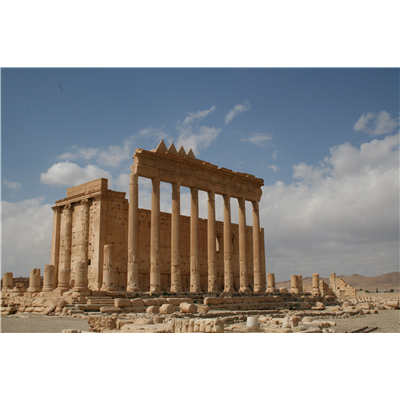 |
Recent turmoil in much of the Near East and North Africa means that many of the most impressive sites in the Roman Empire can no longer be visited. Sam Moorhead was privileged to have been able to work and travel in parts of the Eastern Mediterranean which are now too dangerous to explore – in fact, he was in Syria in March 2011 when the civil war began. This lecture will provide an outline of Roman activity in the region, focussing on cities which have been largely destroyed (for example Hatra in Iraq and Palmyra in Syria), sites which have been heavily looted (Apamaea and Dura Europus in Syria), and places which are now too dangerous to visit (Leptis Magna and Cyrene in Libya). Some of finest architecture, sculpture and mosaics from the Roman world will be presented, highlighting both the richness of eastern Roman culture and the lives of the people who lived in these exotic places. Fees for this lecture go directly to the British Museum. |
|
| Thursday, 19 November 2026 |
| The Art of Pandemics |
| James Grant |
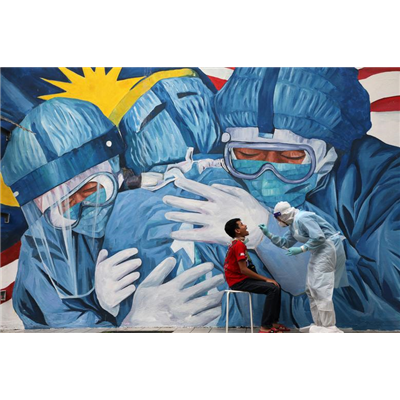 |
The horrors of the coronovirus epidemic have, just as in previous centuries, being a source of inspiration to countless artists. In contrast to the altarpieces and the secular paintings of the plague and previous epidemics our pandemic has led to an outpouring of remarkable street art. This lecture looks at the fascinating similarities and differences in pandemic artistic output over the centuries. It also looks at how such art can provided great comfort and consolation. |
|
| Thursday, 10 December 2026 |
| The Three Kings - the Real Story |
| Tony Rawlins |
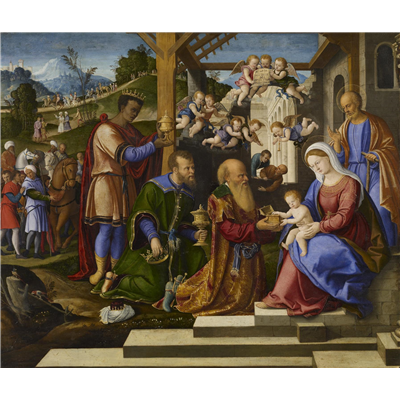 |
A light-hearted seasonal lecture for Christmas, describing what we actually know about the three kings – or rather what we don’t know. For a start we don’t know how many “kings” there were. Matthew's Gospel doesn’t tell us. We assume they were 3 because they brought 3 gifts. But why gold, frankincense and myrrh? Also, there’s no reason to suppose they were kings of anywhere. It took 500 years for them to be given names, even though we still don’t really know their gender – some of them might have been women. And since they gave away the timing of the birth of the baby Jesus to Herod the alleged baby slayer, we can reasonably assume they weren’t too clever – let alone wise! |
|
| Thursday, 21 January 2027 |
| Risky Business: Marketing Modern Art in the Early 20th Century |
| Evelyn Silber |
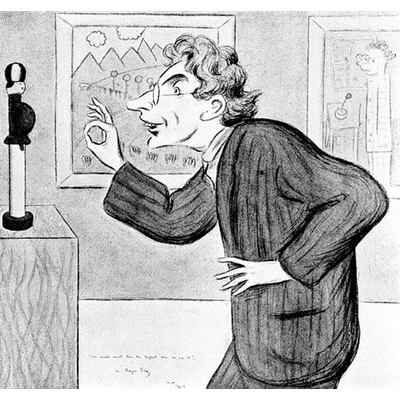 |
George Bernard Shaw said “Unless you can say “This is the very thing for your splendid dining room” you have no chance. Only a handful of bold London dealers in the pre 1945 period persisted. Picasso’s one man show in London was a commercial disaster though that of Matisse in the same gallery had been a huge success. This talk abounds in incidents of outrage, hilarity and adventurous collecting. |
|
| Thursday, 18 February 2027 |
| Opium - Seduction, Greed, Art |
| Amanda Herries |
 |
The source of the stuff of dreams, the poppy is a beautiful, fragile flower with immense power. Opium (from the greek ‘opion’ – poppy juice) is a hypnotic bringer of sleep, delightful lethargy and relief from pain. It is also highly addictive. Greed led to the introduction of this hugely desirable substance first to China, and then to Europe. The beguiling seduction of its effects led to its use to quieten troubled minds and calm agitated children and babies. Its use – often by those with troubled minds – led to the creation of great works of art in music, art and literature. Social and art history meet as this lecture unfolds. |
|
| Thursday, 18 March 2027 |
| Classical Music Crash Course |
| Sandy Burnett |
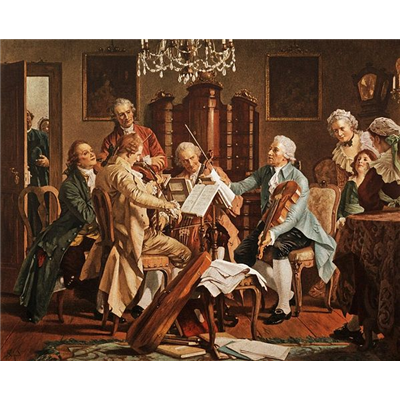 |
This course covers three hundred years of great classical music, from the first opera still to be performed today, Claudio Monteverdi’s L’Orfeo (1607), through to the work that perhaps more than any other signalled the start of modernism, the ballet The Rite of Spring by Igor Stravinsky (1913). Progressing through the Baroque, Classical and Romantic eras, Sandy discusses what role music played in each, and illustrates how composers went about the process of shaping their works. A glossary of key terms and list of essential elements of each era is provided, along with a playlist with details of the musical illustrations used. |
|
| Thursday, 15 April 2027 |
| The Powder and the Glory: Helena Rubinstein cosmetics, art wealth |
| Lucrezia Walker |
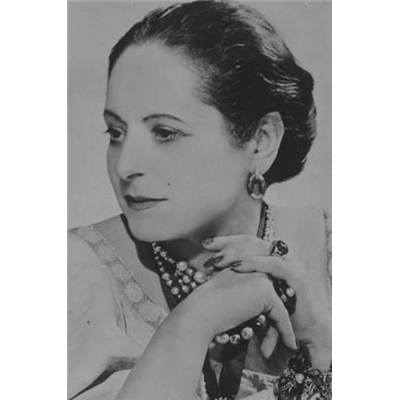 |
There are no ugly women, only lazy ones, quipped cosmetics entrepreneur Helena Rubinstein, whose company made her one of the world's richest women. Business woman, art collector, and philanthropist, she was the first female millionaire. She commissioned work from avant-garde artists, Joan Miró, Picasso, Salvador Dali who was to design a powder compact for her. Her exclusive beauty salons influenced and blurred the conceptual boundaries between fashion, art galleries, and the domestic interior. |
|
| Thursday, 20 May 2027 |
| Not quite what we wanted: critical reactions to works of art over the centuries |
| Patricia Andrew |
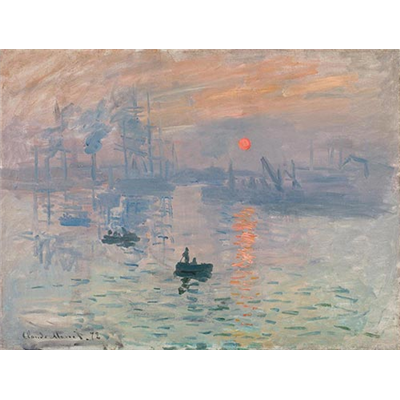 |
Many paintings and sculptures in public collections, now regarded as important works of art, suffered initially from either a poor reception from the general public, or criticism from the very individuals who had commissioned them. We look at a selection of works and their reception, from indignant responses in Renaissance Italy to continuing outrage in the present day. |
|
| Thursday, 17 June 2027 |
| The Echoing Scream: the Birth of Expressionism |
| Gavin Plumley |
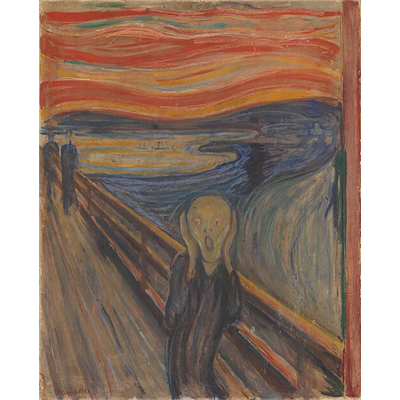 |
When Edvard Munch created The Scream in 1893, he was responding to an intense emotional experience. Today, we would call it a panic attack. Crippling and anxious making, this primal cry was also a rallying call: for Munch and for the wider world of art. It gave birth to a movement known as expressionism, showing life not at it is (realism) or as it might be perceived in a fleeting moment (impressionism), but as it is experienced within the unembellished core of our being. Explosive and emotive, the aftershocks of Munch’s vision were felt across the world: in art and music, literature, dance and film. |
|